Darknet Market Freedom of Speech: Privacy, Censorship, and the New Digital Underground
The conversation around free expression online has grown louder in recent years. Governments tighten content moderation, platforms ban users for violating terms of service, and the open web fragments into walled gardens. For those who feel their voice has no place in the mainstream, the darknet market freedom of speech debate becomes something more than a theoretical principle. It becomes a practical question of where and how to speak without permission.
I have watched this space evolve since the early days of Silk Road. Back then, the idea that you could trade goods and ideas outside state control felt radical and fragile. Tor was slow, encryption tools were clunky, and Bitcoin was a niche curiosity. Today the infrastructure is more mature. The decentralised web offers real alternatives for people who need to communicate and transact without surveillance. But the tension between security and accessibility remains. darknet market freedom of speech
Why Freedom of Speech Matters on Darknet Markets
A darknet market is not just a place to buy and sell. It is a community built around anonymous trading, where vendors and buyers interact under pseudonyms. The conversation there is raw and unfiltered. People discuss product quality, shipping methods, and vendor rating systems. But they also talk about politics, censorship, and the erosion of civil liberties. In that sense, the darknet market freedom of speech extends beyond transactions. It creates a space where unpopular opinions can survive.
I have seen vendors post detailed guides on digital privacy and operational security. Customers share stories about why they turned to the Darknet in the first place. Some lost their bank accounts after expressing controversial views. Others faced doxxing campaigns on clearnet forums. The market becomes a refuge. It does not judge the content of your speech as long as you follow the rules of trade.
The Role of Cryptocurrency in Protecting Speech
Cryptocurrency is the lifeblood of these markets. Bitcoin started the revolution, but its transparent ledger makes it less than ideal for privacy. That is where Monero comes in. The Monero blockchain obscures transaction amounts and addresses, giving users a genuine shield against financial surveillance. When you combine Monero with Tor and strong encryption, you get a stack that protects both your identity and your right to transact freely.
For someone whose speech has been silenced by payment processors or platform bans, this matters. You cannot speak if your ability to earn or spend is cut off. Anonymous trading with privacy-focused coins ensures that financial censorship does not translate into speech censorship. The darknet market freedom of speech argument here is direct: if your money is monitored, your voice can be controlled.
Local Markets and the UK Context
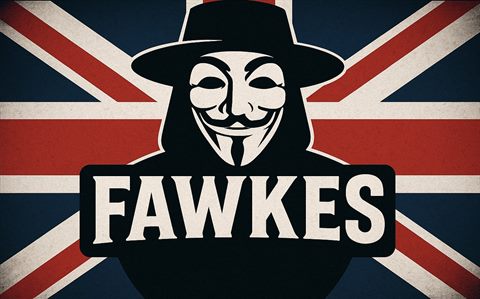
Not all darknet markets operate globally. Some, like Fawkes Market, focus on a specific region. Being UK-only changes the dynamic. Local vendors understand the legal landscape, the postal system, and the cultural references. This proximity builds trust. When you buy from a vendor in your own country, you reduce shipping risks and customs interference. But more importantly, you join a community that shares your context.
I have spoken to UK users who value escrow protection as a way to enforce fair dealing. Dispute resolution mechanisms give buyers recourse if a transaction goes wrong. These features are not just about money. They are about accountability in an anonymous environment. Without them, trust collapses and the market becomes a free-for-all. Escrow protection is a form of governance that allows freedom to flourish within agreed boundaries.
The peer-to-peer nature of these markets also encourages direct communication. Vendors answer questions, offer advice, and sometimes advocate for political change. The market forum becomes a town square. In a country where online surveillance is pervasive, that square offers a rare sliver of unmonitored exchange.
Trade-offs and Realities
I do not want to romanticise the Darknet. It has serious problems. Scams exist, law enforcement monitors activity, and not every vendor is honest. The same anonymity that protects speech also protects bad actors. There is no perfect system. But the trade-off is one that many people are willing to make.
For someone living under an authoritarian regime, a darknet market might be their only way to access banned literature or communicate with dissidents. For someone in a democracy, it might be a way to buy goods without leaving a permanent financial trail. The motivation varies, but the underlying need is the same: the ability to act and speak without asking for permission.
I recall a vendor who sold rare political zines alongside physical goods. He said that the market gave him a platform that no social network would offer. His content was not illegal, but it was unpopular. Mainstream platforms demonetised him. In the Darknet, his speech found an audience. That is the core of the darknet market freedom of speech idea: a space where the only censor is the community itself, not a corporation or a government.
Practical Steps for New Users
If you are considering entering this space, start with security. Learn how to use Tor properly. Understand the difference between Bitcoin and Monero. Use strong encryption for communications. Read vendor rating systems carefully. A good reputation takes time to build, and a bad one is hard to shake.
- Install Tor Browser and avoid changing its default settings.
- Buy a small amount of Monero first to test the withdrawal process.
- Only use markets that offer escrow protection and clear dispute resolution policies.
- Check vendor ratings from multiple sources before placing an order.
- Keep your market identity separate from your everyday online identity.
These steps may seem tedious, but they preserve the freedom that makes these spaces valuable. One mistake can expose you to legal risk or financial loss. The decentralised web rewards caution.
The Future of Censorship-Resistant Markets
Governments are getting better at tracking Darknet activity. Blockchain analysis firms specialise in tracing cryptocurrency flows. The cat-and-mouse game continues. But the demand for private, uncensorable commerce is not going away. As long as people feel their speech is restricted in the mainstream, they will seek alternatives.
Markets that embrace freedom of speech as a core value will attract users who care about more than just price. They will attract people who see the darknet market as a political statement. That is a powerful force. It pushes the technology forward and forces regulators to think about the limits of their power.
I believe we will see more regional markets like Fawkes Market that combine local knowledge with strong privacy practices. The days of one-size-fits-all global markets are fading. Niche communities with shared values will thrive. The darknet market freedom of speech concept will evolve from a slogan into a standard feature, expected by users who understand that without privacy, speech is just a privilege.
The tools are available. The choice is ours.